


Artificial Intelligence in School Security: Promises and Pitfalls
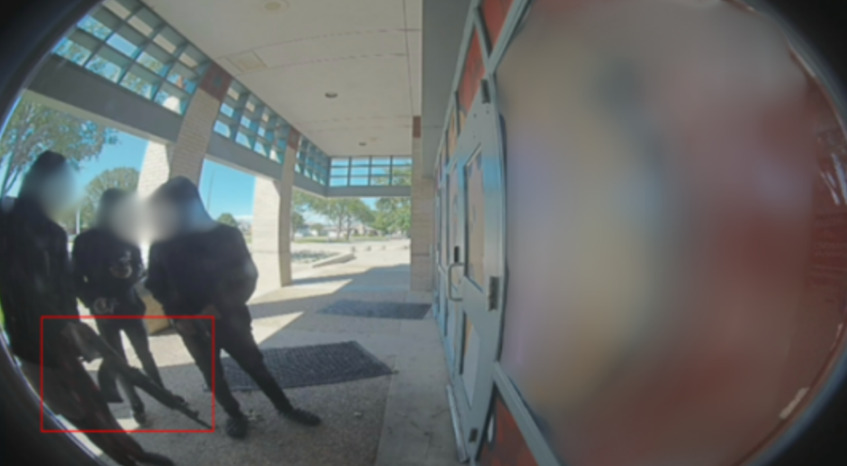
The proposal to use artificial intelligence in Kansas public schools as a tool to identify unconcealed firearms has sparked an intense debate among lawmakers, educators, and communities. While on paper the promise of AI-driven cameras detecting gun-wielding intruders appears to be a super important step for the safety of our children, the practical implementation raises a host of tricky parts and tangled issues that warrant careful examination.
Proponents of the technology argue that cutting-edge sensors and real-time alerts could help school personnel and law enforcement officers respond immediately in the event of a threat. However, critics caution that relying on AI for security creates complicated pieces related to privacy, operational reliability, and the potential for misidentification. In an environment already full of problems, it becomes both essential and nerve-racking to assess whether the system can truly serve as a safeguard without introducing new risks.
Funding Fragilities: Conflicts Between Education and Security Budgets
The decision to allocate $10 million toward an AI-powered gun identification program comes at a time when funding for more traditional school-security grants has been reduced or eliminated altogether. Kansas Sen. Pat Pettey, a well-known figure from Kansas City, Kansas, has underlined a major concern: the funding for this technology has been embraced at the very moment that a popular state-sponsored school-security grant program was dropped. This shift leaves educators and administrators with just one, arguably insufficient, option to secure their schools.
In a climate where budgeting for education is already strenuous, the diversion of funds to a high-tech solution may signal a shift in priorities that could backfire. Many critics worry that the reliance on a single funding stream for security—and the absence of additional grants—may complicate efforts to ensure that all schools remain safe while also keeping a strong, comprehensive education program. The situation is made even more challenging by the fact that the details of the company proposals remain secret, leaving policymakers and the public to ponder over hidden complexities that could affect long-term budgets.
Legislative Debate and the $10 Million Contract: Weighing the Fine Points
At the heart of this debate lies the ongoing bidding process managed by the Kansas Department of Administration. Three companies have thrown their hats into the ring, each proposing its own version of an AI-driven gun detection system. Reports indicate that Gades Sales Co., CIS Data Services, and ZeroEyes are engaged in a competition that stretches far beyond simple tendering procedures: each bid reflects different visions for how technology can best be harnessed for school security.
Lawmakers must now figure a path through a number of small distinctions that separate these proposals. One of the key issues is that the state law requires the installation of the system by the end of December and mandates that it be fully operational by the close of February. These deadlines, while aiming to provide timely protection, also add a layer of pressure that can make the decision-making process even more intimidating for those tasked with managing these contracts.
Moreover, the swiftly evolving nature of technology means that decisions made in the next few weeks could have lasting consequences. Lawmakers face the challenge of ensuring that they not only pick the most effective solution but also foster a competitive bidding environment that leaves minimal room for a “no-bid contract” situation. The choice, therefore, is not merely one of fiscal responsibility but also one that touches on issues of fairness, transparency, and legislative accountability.
Private Company Influence: How Lobbying Shapes Public Policy
An in-depth look at the dynamics surrounding this proposal reveals that private companies are playing a major role in shaping the debate. ZeroEyes, in particular, has been a focal point of controversy. Last year, lobbyists hired by the company worked diligently to convince state legislators of its system’s superiority in safeguarding Kansas schools. Their efforts included proposals to earmark state funding specifically for ZeroEyes or to incorporate contract terms that would significantly disadvantage rival vendors.
Such maneuvers highlight the challenging bits inherent in balancing public policy with private interests. When large sums of money are at stake, there is a risk that the contract could be influenced by marketing rhetoric rather than by a balanced assessment of all available options. This is not only problematic from a competitive standpoint but also introduces the possibility that a single company's technology could be written into state law without proper consideration of alternative approaches.
The lobbying efforts serve as a reminder of the tricky parts in managing public funds. They raise questions about whether the proposed system would serve as a genuine enhancement to school security or merely represent a shortcut in priority-setting within the legislative process. With so many small twists and unseen details at play, it is clear that the interplay between private interests and public accountability is one of the most off-putting and nerve-racking aspects of this entire process.
Legal and Ethical Considerations in Deploying AI Systems for School Safety
When considering the use of artificial intelligence to monitor our school environments, legal and ethical questions become unavoidable. From a legal perspective, the rapid deployment of AI technology—especially in places frequented by minors—demands that lawmakers and administrators figure a path that reconciles safety with privacy rights.
Critics argue that installing cameras with AI capabilities may inadvertently lead to unintentional breaches of privacy. For example, if the system misidentifies everyday objects or incorrectly flags harmless items as dangerous, it could lead to unnecessary panic and even legal challenges from families and civil rights groups. The potential for errors in such a system is one of the more intimidating aspects of implementing this technology, as it requires a fine tuning of both the technological capabilities and the legal safeguards surrounding its use.
From an ethical standpoint, many are left to ponder the small distinctions between effective protection and over-surveillance. Questions arise: How much monitoring is too much? At what point does the effort to secure a facility compromise the trust between educators and students? Such little twists of ethical consideration are as critical as they are complicated, leaving stakeholders to work through a maze of expectations, rights, and responsibilities.
The Challenges of Rapid Technological Deployment in an Educational Environment
Deploying a state-of-the-art technology across a network of public schools is no simple task. The process involves more than just installing cameras and setting up software. It requires a detailed look at the logistical, training, and maintenance issues that arise with such a system. For many, the rapid pace at which this technology is expected to be implemented is both a promise and a potential pitfall.
Schools vary greatly in their current IT infrastructure, and many districts might struggle to integrate an advanced AI system into their existing security setups. This discrepancy is one of the most nerve-racking factors in the discussion, as it underscores the possibility that some schools could be left behind or face additional technical challenges. For instance, schools in more rural areas may not have the same level of technical support as those in larger urban districts, which creates a disparity that must be addressed at the policy level.
Additionally, educators and administrative staff would need to be sufficiently trained to understand how the system works, including how to interpret alerts and take appropriate action. Without proper training, the very technology intended to safeguard could end up becoming an additional burden, complicating daily operations in ways that are subtle but significant. The system’s complexity, with its many fine points and hidden challenges, must be accompanied by robust support measures to ensure its effectiveness.
Comparative Analysis: AI Security Versus Traditional School-Safety Measures
An important aspect of this debate is comparing the merits of AI-based security systems with traditional measures such as physical security upgrades, increased staffing, and comprehensive training programs. These years-old methods have proven benefits, but they may not be able to match the rapid response that a technologically advanced system could potentially offer.
However, traditional measures come with their own set of complicated pieces. They are often resource-intensive and require continuous financial and human capital. Moreover, existing school-security grants have been popular among districts until they were supplanted by this AI initiative. This sudden shift has left some educators feeling that they are being forced to depend on a single, potentially volatile source of funding—one that might not address all aspects of school safety.
A comparative analysis shows that each approach, whether high-tech or conventional, carries its own set of small quirks and nuanced details. In many cases, the conversation should not be framed as AI versus traditional methods, but rather as an integration of both. A combined approach might work the best by using AI to augment the human element of security, ensuring that technology acts strictly as a tool rather than the sole line of defense.
- Key Benefits of AI-Driven Security:
- Rapid, real-time analysis and alerts
- Potentially lower long-term operational costs
- Augmentation of limited human monitoring resources
- Concerns with AI-Based Systems:
- Risk of false positives leading to unnecessary panic
- Privacy implications regarding student data
- Significant upfront financing combined with unknown maintenance costs
- Traditional Security Measures:
- Established techniques with proven track records
- Human oversight that can interpret context better than algorithms
- Possibly more reliable in diverse technological environments
In response to these challenges, many experts recommend a hybrid approach wherein AI tools support—but do not replace—classic security measures. This double-pronged strategy might help schools steer through small twists in decision-making and prevent potential oversights that could compromise both safety and privacy.
Operational Readiness: Deadlines and Deployment in a High-Stakes Environment
The legislative requirement to have the system installed by the end of December and fully operational by the close of February puts considerable pressure on all parties involved. These deadlines transform a complex technological initiative into a race against time that is both overwhelming and fraught with tension.
If the system is not deployed adequately or if operational issues arise, schools could face an environment where the promise of technology turns into a source of anxiety. Law enforcement agencies, educators, and school administrators must work together in a coordinated effort that includes testing, troubleshooting, and regular updates to the system. Any delays or mistakes could result in unintended vulnerabilities, placing students and staff in jeopardy during critical moments.
This timeline also raises issues regarding the allocation of responsibilities among various government departments. The Kansas Attorney General’s office, for instance, bears the responsibility of ensuring that the system meets state-mandated deadlines while addressing any technical shortcomings that may emerge. Such an undertaking is not only overwhelming but also demands that all stakeholders figure a path through a host of new challenges that could emerge as the project moves from proposal to practice.
Stakeholder Perspectives: Balancing Safety, Privacy, and Public Trust
In any public initiative involving the safety of children, it is essential to incorporate a wide range of stakeholder perspectives. Parents, teachers, students, law enforcement, and policymakers each have their views on what constitutes a safe and nurturing educational environment. While the push for cutting-edge security technology is well-intentioned, it risks appearing overly reliant on automated processes, potentially at the expense of human judgment and accountability.
The opinion voiced by Sen. Pat Pettey is especially resonant in this regard. By highlighting that funding for traditional, state-funded school-security programs has dwindled even as the new, tech-based approach is launched, he underscores the need to balance innovative methods with established practices. This is a classic example of how political considerations, budget allocations, and public trust are tightly interwoven in the decision-making process.
For those who support the initiative, the high-tech solution is seen as a must-have addition to an evolving school-security framework. On the other hand, many remain skeptical about entrusting the safety of children to machines without fully understanding the small twists and turns inherent in such an approach. The challenge, then, is to ensure that any deployed system not only meets regulatory standards but also earns the public’s confidence by proving its reliability in real-world conditions.
Long-Term Implications for Public Policy and Administrative Oversight
The Kansas initiative, with its bold bid for advanced technology in school security, serves as a case study for broader public policy questions across the nation. As more states contemplate similar measures, the experience in Kansas could offer critical lessons on the feasibility, pitfalls, and potential benefits of such an approach. What seems like a promising partnership between technology and school safety today could set a precedent that shapes future legislative decisions.
One of the more complicated pieces is the ongoing tension between fast-paced technological innovation and the slower mechanisms of governmental oversight. Policymakers must now work through a maze of requirements, budgets, and deadlines while ensuring that every step is legally sound and ethically justified. In doing so, they face the nerve-racking task of balancing immediate security concerns with the long-term sustainability of both policy and practice.
Some key questions emerging from this debate include:
- How do we ensure that AI-driven systems are continuously improved and updated to handle new threats?
- What safeguards can be introduced to protect the privacy of students while still allowing for effective monitoring?
- How will future budgets be allocated to balance traditional security measures with modern technological requirements?
- What mechanisms of accountability need to be in place to prevent a single vendor from monopolizing the market?
Answering these questions involves more than technical expertise—it demands a collaborative effort among legal experts, technology providers, educators, and civil society representatives. Only by working through these tangled issues can policymakers hope to craft a solution that truly serves the best interests of all stakeholders involved.
Evaluating the Role of Contractual Transparency in Public Procurement
The opaque nature of the bidding process has raised additional concerns about transparency and accountability. With financial details and specific terms of the proposals not being made public, critics argue that the process is riddled with tension and could hide subtle parts that might later complicate contract implementation. In public procurement, transparency is key to maintaining trust between government agencies, private vendors, and the citizens they serve.
Tables and bullet lists can be useful tools to improve clarity in such complex environments. For example, one might consider a table summarizing the bids received from the three companies:
| Vendor | Location | Key Proposal Features |
|---|---|---|
| Gades Sales Co. | Wichita, KS | Emphasis on integration with existing school security infrastructure, scalable solution. |
| CIS Data Services | Springfield, MO | Focus on data analytics and real-time monitoring, robust communication capabilities. |
| ZeroEyes | Conshohocken, PA | Advanced AI detection, 24-hour monitoring framework, push for exclusive state funding. |
A summary like the one above could help decision-makers figure a path through the confusing bits and little details that might otherwise be overlooked. Without clear, comprehensive data, there is a real risk that the department in charge may make a decision that seems rushed or fails to consider every fine shade of the debate.
Building a Resilient Security Infrastructure: Recommendations for Stakeholders
Given the nerve-racking nature of this initiative, it is worth taking a closer look at how all involved parties—legislators, schools, law enforcement, and vendors—can work together to build a resilient security infrastructure that leverages both technology and traditional methods. The following recommendations offer a roadmap for managing the path ahead:
- Establish Clear Evaluation Criteria: Develop a comprehensive checklist that covers everything from technology performance to ethical considerations and budgetary constraints.
- Implement Transparent Reporting: Ensure that all bidding processes and subsequent contracts are fully disclosed to maintain public trust and allow for independent audits.
- Create a Hybrid Security Model: Combine AI-driven technology with traditional security measures to take advantage of the strengths offered by both approaches.
- Invest in Staff Training: Prioritize thorough training for school personnel to manage the technology and effectively respond to alerts.
- Regularly Review System Performance: Set up a periodic assessment of the technology’s performance, with adjustments as needed based on real-world feedback.
These steps can help ensure that the challenges of deploying a high-tech security system do not become an off-putting obstacle but rather a valuable addition to the wider school-safety framework.
Conclusion: Striking the Right Balance in an Era of Rapid Change
The debate over a $10 million AI-driven gun detection system in Kansas’s public schools is more than a simple procurement exercise—it is a microcosm of broader challenges facing modern society. As technology becomes increasingly intertwined with public services, the delicate balance between innovation and traditional methods emerges as a central theme.
Lawmakers are charged with the responsibility of steering through this maze of competing interests, legal obligations, and ethical considerations. While the promise of real-time alerts and enhanced law enforcement coordination is undeniably appealing, the potential pitfalls—ranging from privacy breaches to unreliable performance under pressure—cannot be ignored. Both the fine points of technological deployment and the larger budgetary implications demand that future policies be crafted with care, keeping in mind the small twists and overwhelming issues that naturally accompany any transformative initiative.
Ultimately, the Kansas example urges us to take a closer look at how we define and pursue safety in an ever-changing world. It reminds us that while technology offers exciting possibilities, the true measure of success lies in our ability to blend innovation with accountability, ensuring that every dollar spent not only addresses today’s threats but also builds a sustainable, resilient future for our schools.
As this debate continues to unfold, it is vital for all stakeholders to remain engaged and committed to finding the right path forward—a path that secures our schools without sacrificing the trust and transparency that is key to effective public governance. Only by working together can we hope to make sense of the confusing bits, navigate the nerve-racking challenges, and ultimately craft a solution that is as robust as it is responsive to the needs of our communities.
Originally Post From https://kansasreflector.com/2025/11/26/kansas-looking-at-three-bidders-for-10-million-contract-relying-on-ai-to-find-guns-in-schools/
Read more about this topic at
New Report Highlights How CBP and Border Patrol are ...
AI Monitoring Mistake at Baltimore Schools Sparks ...


No comments:
Post a Comment